


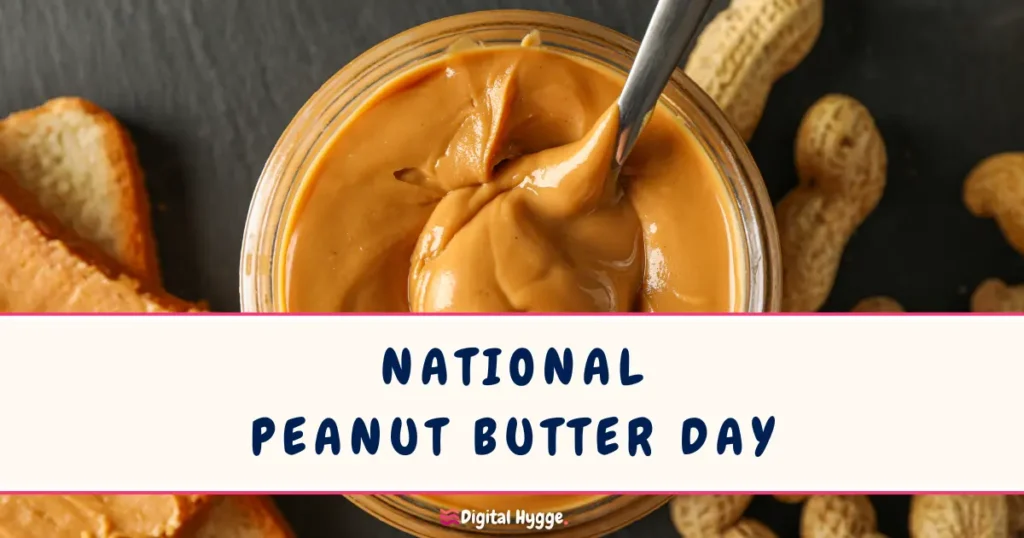

National Peanut Butter Day, observed on January 24, highlights one of the most common foods in American households. Approximately 94% of U.S. homes keep at least one jar of peanut butter in their pantry, and Americans consume an average of 3 to 4.25 pounds per person each year, according to data from the National Peanut Board.
The observance celebrates peanut butter not only for its widespread use, but also for its nutritional value as a heart-healthy source of plant-based protein, fiber, and monounsaturated fats.
The day is informal and has no documented founder. It gained traction in the late 1990s or early 2000s, likely through collective promotion. Agricultural and humanitarian organizations support the observance because peanut butter is shelf-stable, affordable, and frequently requested by food banks, making it a reliable protein source for families facing food insecurity.
🥜 Here are a few other peanut-theme national days you might be interested in:
- National Peanut Butter Fudge Day (November 20)
- National Toast Day* (Last Thursday in February)
- National Peanut Butter Lovers Day (March 1)
- National Peanut Lovers Day (March 15)
- National Peanut Butter and Jelly Day (April 2)
When is National Peanut Butter Day Celebrated?
National Peanut Butter Day is observed every year on January 24. The date is fixed and remains the same annually, including 2026 through 2030, making it easy to plan content, events, or promotions around this observance.
| Year | Date and Day |
|---|---|
| 2026 | January 24, Saturday |
| 2027 | January 24, Sunday |
| 2028 | January 24, Monday |
| 2029 | January 24, Wednesday |
| 2030 | January 24, Thursday |
The History of Peanut Butter
Peanut butter has a long history that dates back thousands of years. Originating in South America, peanuts were cultivated by ancient civilizations for their sustenance value and ability to grow underground. Spanish explorers brought peanuts back to Europe, and soon, the crop spread worldwide, eventually making its way to North America.
In the 1800s, peanuts began gaining popularity in the United States as a low-cost, protein-rich food. During the Civil War, Confederate soldiers relied on peanuts to avoid malnutrition when other resources were scarce. By the early 20th century, peanuts had firmly established themselves in American agriculture, thanks in part to George Washington Carver. Carver, a brilliant agricultural scientist, promoted peanuts as a soil-saving alternative to cotton and developed hundreds of peanut-based products, thus shaping the peanut industry.
Peanut butter, as we know it today, became popular after innovations in the 1890s allowed for its production and mass distribution. Initially considered a delicacy, it became a dietary staple during the Great Depression due to its affordability and high protein content, a quality that made it a valuable ration for soldiers in World War II as well. Since then, peanut butter has become a quintessential part of American cuisine, with brands like Skippy, Jif, and Peter Pan leading the market and continually evolving to meet consumer demand.
Did You Know? Peanut Butter Facts
Peanut butter isn’t just a kitchen staple; it’s packed with some pretty interesting history and trivia that might surprise you. Here are a few fun facts that show peanut butter is more than just a tasty spread:
- Americans consume around 700 million pounds of peanut butter each year, which is equivalent to approximately 3 pounds per person. This demand reflects the spread’s popularity not only as a snack but also as a versatile ingredient in both sweet and savory dishes across the country.
- It takes about 540 peanuts to make a single 12-ounce jar of peanut butter. That’s a lot of peanuts packed into one jar! That means every time you reach for a jar, you’re enjoying the concentrated effort of hundreds of peanuts, making it an efficient source of plant-based protein and healthy fats.
- During World War II, peanut butter was a key part of soldiers’ rations. Its high protein content made it an essential and convenient energy source on the battlefield, helping to keep troops nourished.
- Peanut butter has even traveled to space! Astronauts have taken it along on space missions because it’s easy to store, doesn’t require refrigeration, and provides a quick energy boost.
- The largest peanut butter and jelly sandwich ever made weighed nearly 1,500 pounds! Created in Grand Saline, Texas, in 2017, this giant sandwich used 500 pounds each of peanut butter and jelly.
- Peanut butter was originally promoted as a health food due to its high protein content. In the late 19th and early 20th centuries, it was used as a nutritious alternative for those who had difficulty chewing meat or other solid foods, especially in hospitals and health retreats.
- Creamy peanut butter is the preferred choice for around 60% of Americans, while the remaining 40% favor the crunchy variety. This ongoing debate between creamy and crunchy fans shows how personal texture preferences can be when it comes to enjoying this classic spread.
How to Celebrate National Peanut Butter Day
With so many ways to enjoy peanut butter, celebrating its special day is not hard at all. Here are some fun and delicious ways to add more peanut butter to your day:
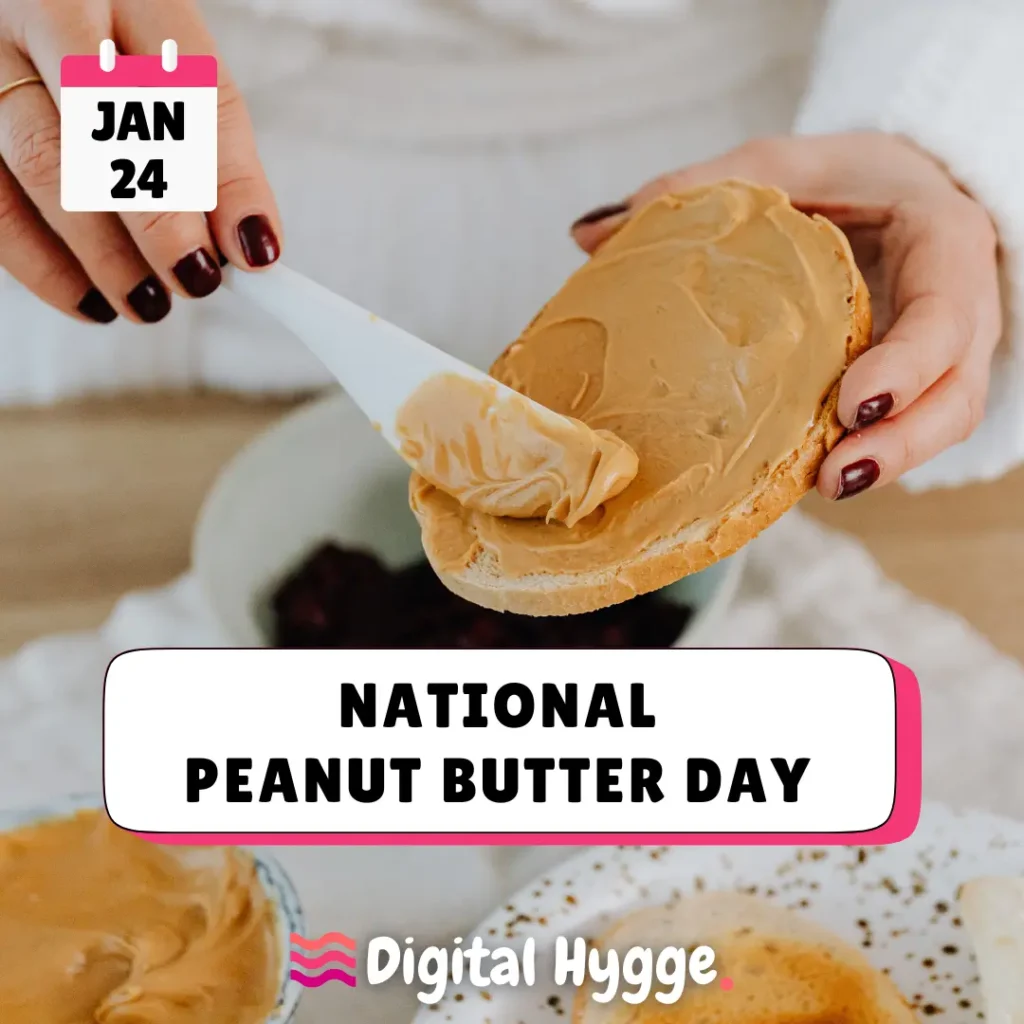
- Start with the classic peanut butter and jelly sandwich, a beloved snack in American households. For a twist, try spreading peanut butter on toast and topping it with bananas, a drizzle of honey, or even a sprinkle of cinnamon for extra flavor and nutrition.
- Blend peanut butter into smoothies for a protein-packed boost. It pairs well with ingredients like chocolate, berries, and oats, making your drink more filling and adding a creamy texture along with healthy fats and proteins.
- Bake peanut butter cookies or incorporate it into other baked goods, like brownies, for an extra layer of rich, nutty flavor. Peanut butter also helps add moisture to recipes, making desserts like cakes or muffins even more delicious.
- Get creative with international dishes such as peanut butter noodles or satay sauce. These recipes are popular in Asian cuisines, where peanut butter or peanuts are combined with spices, soy sauce, and sometimes coconut milk to create flavorful sauces that complement vegetables, meats, or noodles.
- If you’re feeling adventurous, why not make your own peanut butter at home by blending peanuts with salt. You can customize the consistency—whether you prefer smooth or chunky—and even experiment by adding ingredients like honey, cinnamon, or cocoa powder for a unique twist on the classic spread.