

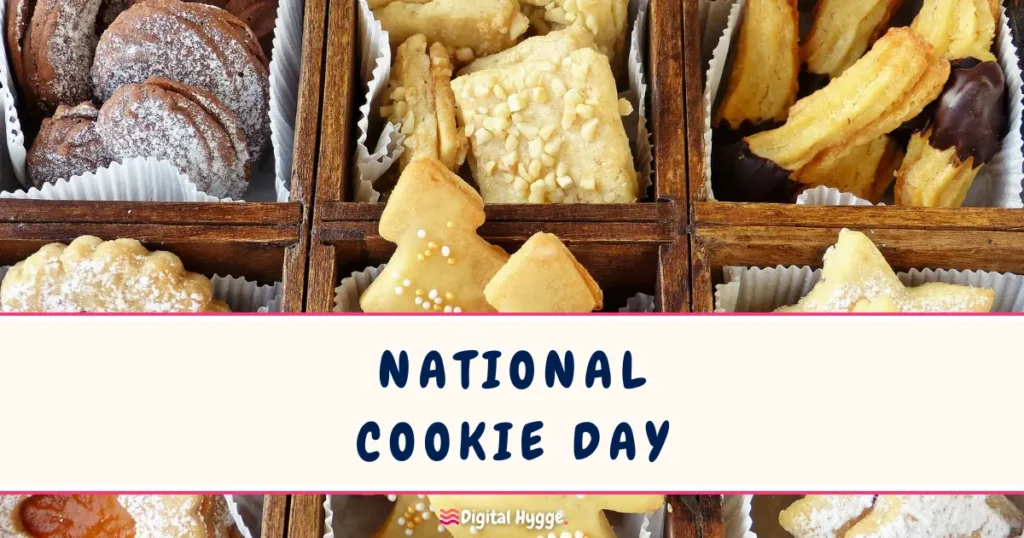

National Cookie Day, observed on December 4, traces its origins to Sesame Street. The earliest mention appeared in a 1976 Sesame Street calendar that listed the date as November 26. Cookie Monster referenced the idea again in a 1980 children’s book, which helped the idea reach a wider audience.
The celebration later took on its modern form in 1987, when Matt Nader, co-founder of the Blue Chip Cookie Company, chose December 4 as the official date. His decision placed the observance at a time when many households begin their seasonal baking for the winter holidays.
Early December works well for anyone preparing homemade cookies to share or give as edible gifts. It’s a period when people plan their recipes, bake ahead, and package treats for friends and family.
National Cookie Day also aligns with observances such as Make a Gift Day and Cookie Cutter Day, which mark the beginning of many people’s holiday preparations.
When is National Cookie Day Celebrated?
National Cookie Day takes place on December 4 each year and often aligns with the start of seasonal baking. If you want to keep track of upcoming dates, here are the observances for the next several years:
| Year | Date |
|---|---|
| 2025 | December 4, Thursday |
| 2026 | December 4, Friday |
| 2027 | December 4, Saturday |
| 2028 | December 4, Monday |
| 2029 | December 4, Tuesday |
| 2030 | December 4, Wednesday |
Four Fun Facts About Cookies
Cookies have a long history that stretches across cultures. Their earliest forms appeared in ancient Persia, and over time they developed into the familiar varieties enjoyed in many parts of the world today. These facts highlight how cookies became part of everyday life and why they remain closely linked with seasonal baking.
- The chocolate chip cookie was invented in 1938. Ruth Wakefield created it at the Toll House Inn in Massachusetts, and it quickly became one of the most recognizable cookies in the United States. Many families prepare versions of it in December, sometimes adapting the recipe with spices or decorative additions.
- Cookies have origins in 7th-century Persia. Persia was one of the first regions with regular access to sugar, making it possible to develop early cookie-like sweets. As trade expanded, these small baked goods spread through Europe and later to America, where the recipes continued to change.
- The word “cookie” comes from the Dutch word koekje. Koekje means “little cake.” Dutch settlers used the term when they arrived in America, and it gradually became the common English name for these small baked items.
- Many winter holiday cookies trace back to Europe. Shapes like gingerbread figures and simple sugar cookies grew out of European baking traditions. Their continued use today shows how older customs blend with modern holiday practices, making early December a natural time for baking them.
Ways to Celebrate National Cookie Day
There are many ways to observe National Cookie Day, especially during a month when people often bake, share, and prepare edible gifts. The ideas below focus on simple activities that fit naturally into early-December traditions.
- Bake a batch of seasonal cookies. Choose flavors that suit this time of year, such as peppermint, chocolate, ginger, or cinnamon. December is a convenient moment to test new recipes or prepare cookies you plan to give as gifts. If you want to start new traditions or stick with classic holiday recipes, here are some fun ideas to try.
- Host a cookie exchange. Invite friends, relatives, or coworkers to bring a single recipe each and trade cookies. It’s an easy way to try a variety of baked goods while spending time with people you care about.
- Buy cookies from a local bakery. Many bakeries offer seasonal varieties in early December. Picking up a box is a straightforward way to join the celebration while supporting small businesses.
- Decorate cookies. Use basic shapes—snowflakes, trees, stars—and add icing or sprinkles. This is an approachable activity for both adults and children, and it creates cookies suitable for gifting or serving at gatherings.