

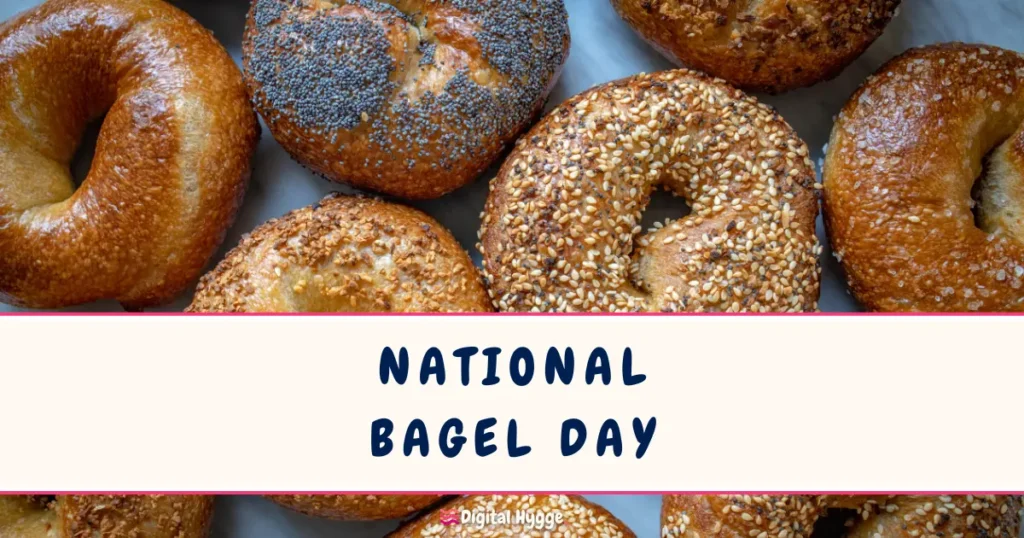

National Bagel Day is observed every year on January 15. The day is dedicated to the bagel’s history, cultural roots, and its place in modern food culture.
In the United States, bagels are eaten by hundreds of millions of people each year, and the bagel market generates about $3 billion annually, making this one of the more visible food-related observances. Although National Bagel Day began in the U.S., it has also gained recognition abroad, particularly in the UK and Malaysia, where bakeries and food brands increasingly mark the date.
Founding and Evolution
The observance was established in 2003 by the Bagel Bakery Association. For many years, it was known as Bagel and Lox Day and celebrated on February 9. In 2019, Thomas’ Breads, part of Bimbo Bakeries USA, organized a nationwide vote to give the bagel its own stand-alone holiday. Following that vote, National Bagel Day was moved to January 15 beginning in 2020.

When Is National Bagel Day Celebrated?
National Bagel Day is observed every year on January 15, making it easy to mark on the calendar. The date has remained consistent since 2020, when the celebration was officially moved to give bagels their own dedicated day. Below, you’ll find the upcoming dates for National Bagel Day over the next several years.
| Year | Date |
|---|---|
| 2026 | January 15, Thursday |
| 2027 | January 15, Friday |
| 2028 | January 15, Saturday |
| 2029 | January 15, Monday |
| 2030 | January 15, Tuesday |
The Rise of the Bagel: From Kraków to New York
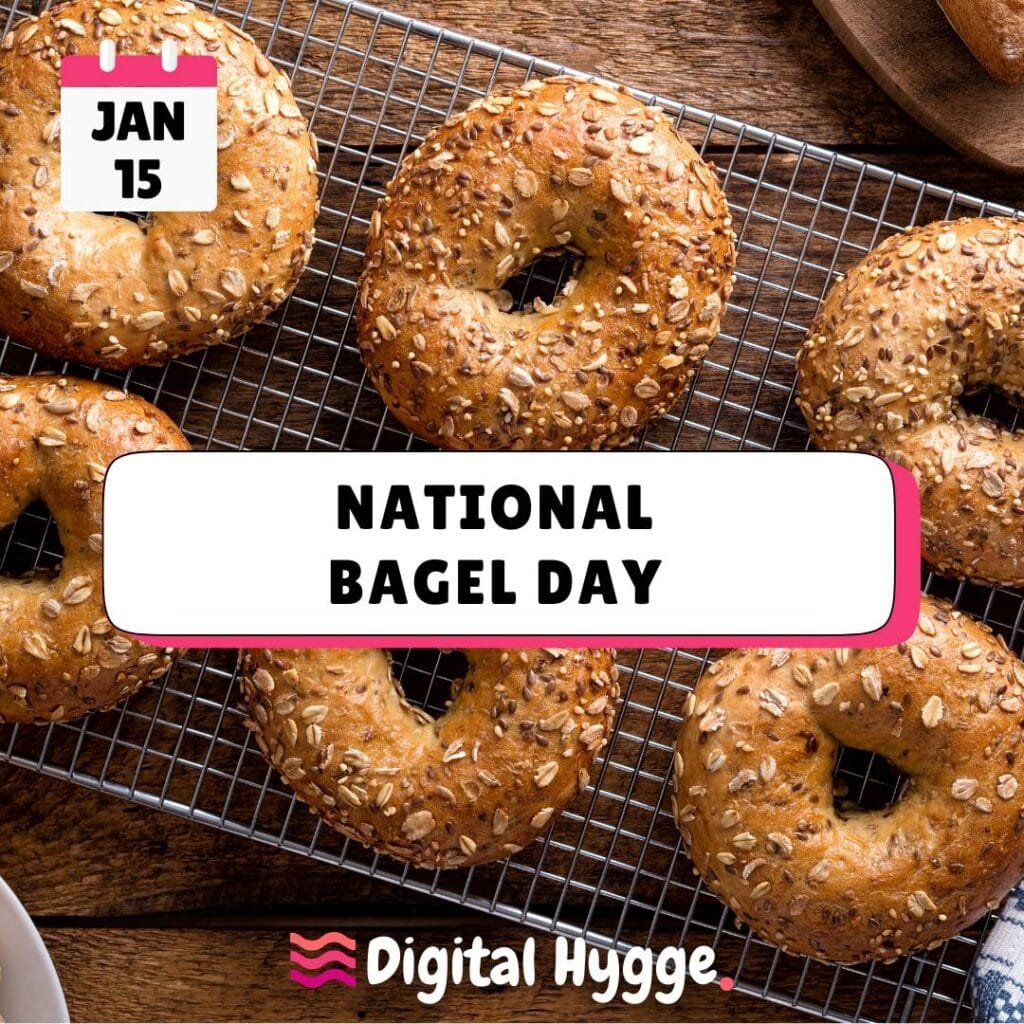
The bagel began in Jewish communities in Kraków, Poland, where it grew out of obwarzanek, a ring-shaped bread that was boiled before baking. Jewish bakers adapted this technique, creating a bread with a firm crust and chewy interior. This boiling-and-baking process became the defining feature of the bagel.
In the late 1800s, Eastern European Jewish immigrants brought bagel-making to North America, settling mainly in New York City. There, bagels were produced by hand in small bakeries and sold fresh each day. The work was demanding and highly skilled, which led to the creation of Beigel Bakers Local 338, a union that controlled training and protected traditional methods.
By the mid-20th century, new machinery and preservation techniques changed how bagels were made and sold. Frozen and pre-sliced bagels allowed the food to move beyond neighborhood bakeries and into grocery stores nationwide. This shift turned the bagel from a local ethnic bread into a common part of the American breakfast.
Did You Know? Facts About Bagels
Here are some fun facts to chew on during National Bagel Day:
- The hole in the center of a bagel serves a practical purpose. It helps the dough cook evenly during boiling and baking, and it once made bagels easy to transport and display by threading them onto wooden dowels or strings.
- Bagels are closely related to obwarzanek, a ring-shaped bread documented in 17th-century Poland, which was commonly given to women after childbirth. Their round, “endless” shape was a symbol of the circle of life and was believed to bring good luck to the new mom and baby.
- Bagels are actually the only bread in the world that are boiled before they are baked. That quick hot bath is the secret behind that iconic shiny crust and the chewy center we all love. Without it, you’re basically just eating a piece of bread with a hole in it!
- Rainbow bagels originated in Brooklyn, New York. Their bright, multicolored dough made them popular on social media, and they are often paired with sweet spreads such as birthday-cake cream cheese.
- Bagels are boiled before baking, a step that sets their structure, creates a chewy interior, and gives the crust its smooth, slightly shiny finish.
- New York–style bagels are closely tied to local identity. Many people believe the city’s tap water affects their flavor, leading some bakeries outside New York to import water in an effort to replicate the taste.
- Montreal bagels, made in Montreal, are smaller, denser, and slightly sweet. They are boiled in honey-sweetened water and baked in wood-fired ovens, which gives them a distinct texture and flavor compared to New York bagels.
Ways to Celebrate National Bagel Day
National Bagel Day is an excuse to slow down and enjoy a food that has become part of everyday life in many households. The celebration does not require elaborate plans—simple choices are very much in the spirit of the day.
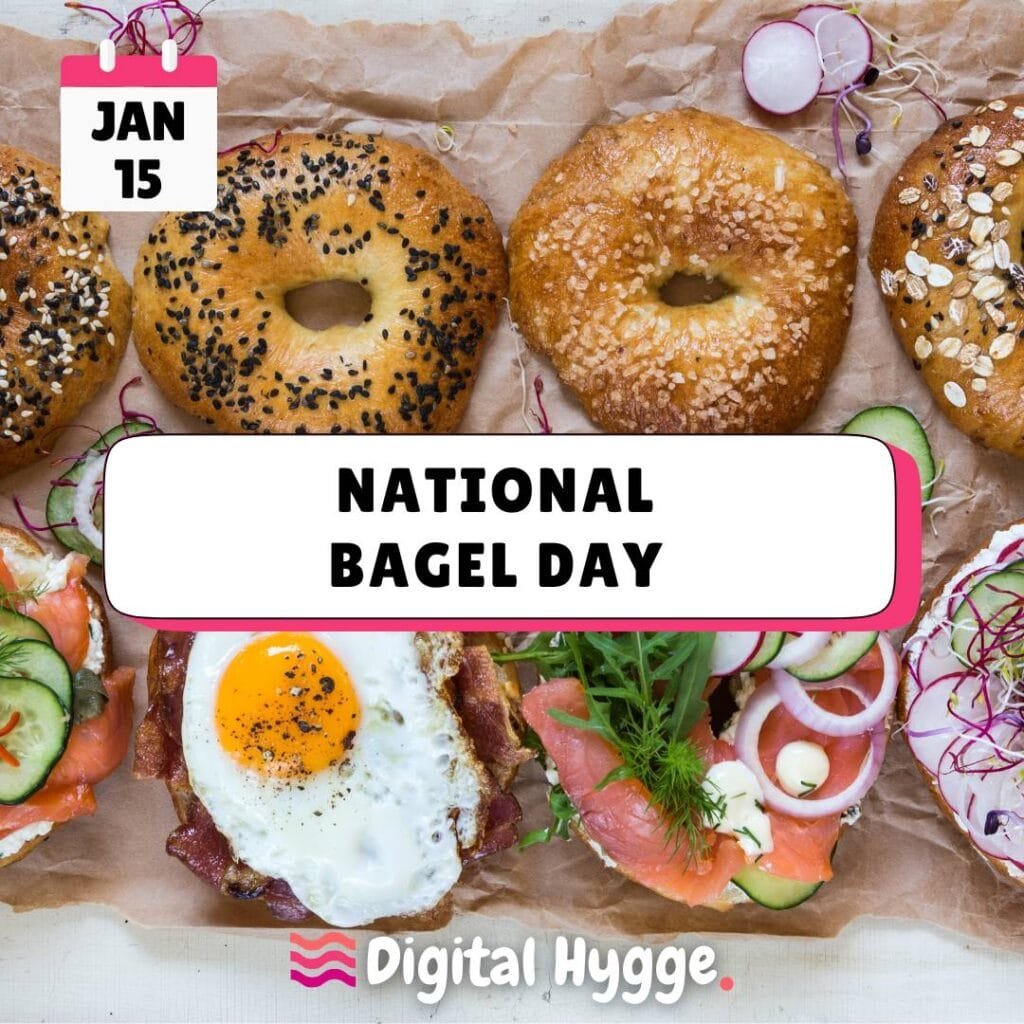
- Start the day with a bagel: Enjoy a bagel for breakfast, whether from a local bakery or toasted at home. Classic toppings like cream cheese, butter, or jam keep things simple and familiar.
- Try a different flavor: Use the day to choose a bagel you do not usually buy. Sweet options such as cinnamon raisin or blueberry offer a contrast to savory choices like everything or onion.
- Create a small taste test at home: Pick up a few bagel varieties and pair them with basic spreads such as cream cheese, honey, butter, or avocado. Sampling different combinations highlights how versatile bagels can be.
- Share your bagel online: Many people mark the day by posting their bagel on social media. A quick photo shared with #NationalBagelDayconnects the celebration with bagel fans around the world.