

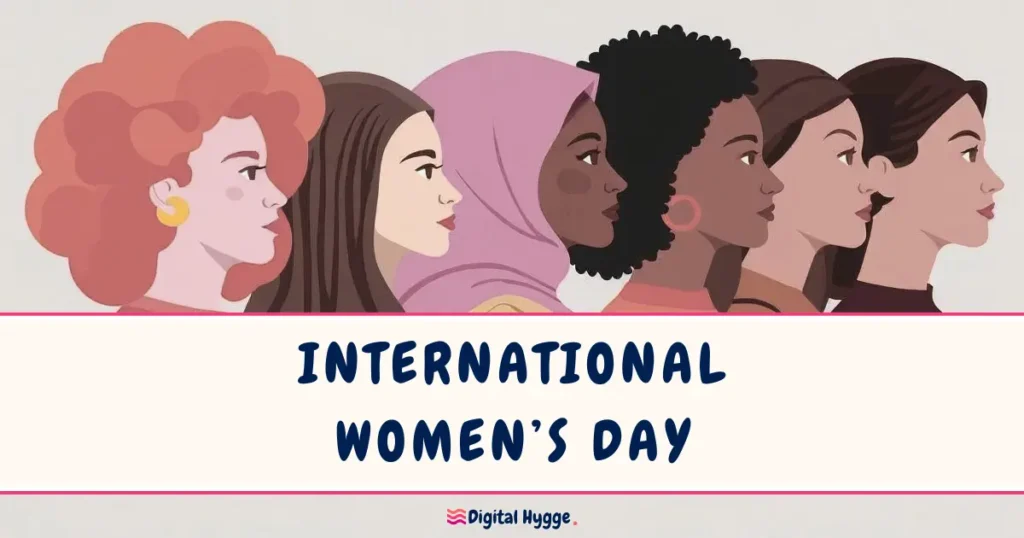
Every year on March 8th, the world pauses to mark International Women’s Day (IWD). Some people celebrate. Some people question whether we still need it. The answer, backed by data and lived experience, is yes.


The day started in 1908, with 15,000 women taking to the streets to demand shorter hours, fair pay and the right to vote. Over a century later, much has changed — laws have been rewritten, doors have opened, and girls are now often outpacing boys in education and taking leadership positions. But as the numbers below show, there is still a long way to go.

Gender Gap — Key Facts 2025
World Economic Forum · Global Gender Gap Report 2025 Still So Much to Do Why International Women’s Day still matters — in plain figures.
Time to parity 123 Years until the world reaches full gender parity at the current pace of progress — across work, politics, health and education combined.
Political power 22.9% Only 1 in 5 politicians worldwide is a woman. Of all four areas measured, political representation is where we are furthest behind.
Work 41.2% Only 41 in 100 working-age women globally are employed or looking for work. For men, that number is 72 in 100.
Leadership 29.5% Women now outnumber men at university — yet only 3 in 10 senior managers are women. Education alone isn’t enough.
Career breaks 55% Women are 55% more likely than men to pause their careers — and when they do, they’re out for 20 months on average, vs. 14 months for men. Mostly because of parenting.
Economic equality 135 years At the current pace, it will take 135 more years for women and men to have equal economic opportunities — longer than the overall average, because the pay and jobs gap is closing especially slowly.
Source: WEF Global Gender Gap Report 2025

For younger women and girls, IWD carries a particular weight. They are growing up in a world of extraordinary possibility and, at the same time, extraordinary pressure. And as the data shows, the gap between education and opportunity remains wide — girls are outpacing boys in classrooms, yet only 29.5% of senior managers worldwide are women.

If you are a woman reading this, you are part of a story that stretches back over a century — written by people who were told to be patient, to be quiet, to wait their turn. They didn’t. They marched, organised, argued and refused, and because they did, the world is different. That story is still being written, and this day is a reminder that you are one of its authors.

How to Observe IWD
March 8 every year How to Observe the Day
🟣 Wear Purple Purple is the international colour of IWD, historically symbolising justice and dignity. Wearing it is a simple, visible act of solidarity.
🌍 Attend an Event Cities worldwide host marches, networking breakfasts and rallies. Check what is happening where you live and show up.
🛍️ Support Women-Owned Businesses Use the day to intentionally shop at or promote businesses founded by women. Small choices add up.
📣 Advocate for Policy Change Participate in or follow the UN’s Commission on the Status of Women (March 9–19, 2026), focused this year on improving women’s access to justice.
International Women’s Day · March 8

Categorized in:

National Days,

Last Update: March 7, 2026

Tagged in: