

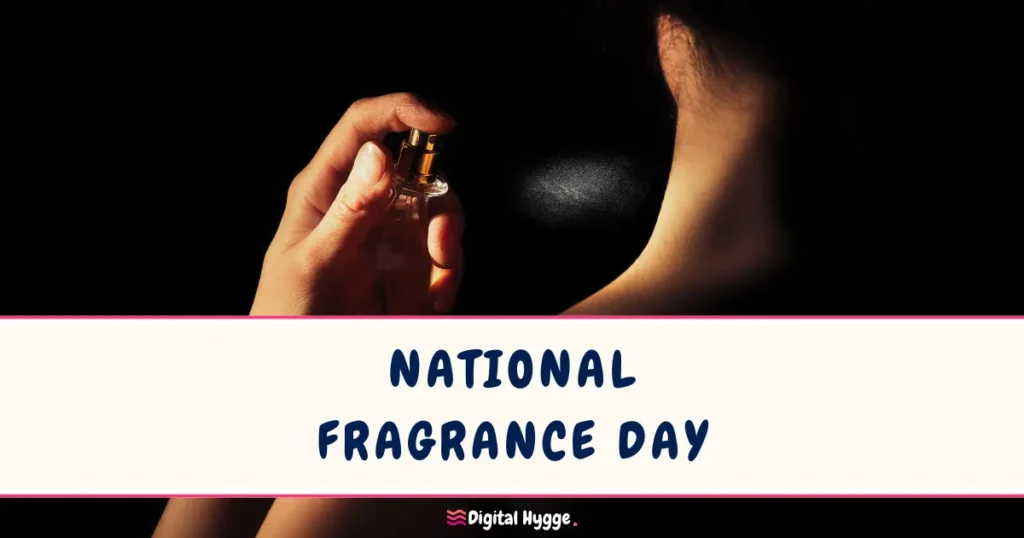

National Fragrance Day, celebrated annually on March 21, invites us to appreciate the power of scent in our lives. From the moment we’re born, our noses become vital tools for interpreting the world. Astonishingly, about one in fifty of our genes is dedicated to smell, and scientists believe we can distinguish far more scents than previously thought — estimates range from thousands to potentially over a trillion.
The day was established by The Fragrance Foundation, a nonprofit organization representing the perfume industry in the United States, in the early 1980s. Its aim was to deepen public appreciation for the craft behind every bottle.
National
Fragrance Day
Five surprising facts about the art, science, and history of scent.
Ambergris — a waxy substance produced in the digestive system of sperm whales and often called “whale vomit” — is one of the most prized ingredients in luxury perfumery. Other traditional notes include castoreum, sourced from beaver castor sacs, and civet, from the glands of civet cats. All three add extraordinary depth and longevity to a scent.
For decades, scientists believed humans could distinguish around 10,000 different smells. A landmark 2014 study shattered that assumption, estimating that the average person can detect over one trillion different scents — far surpassing our ability to distinguish colors or musical tones.
Your skin’s pH balance, oiliness, and even your diet interact with fragrance molecules in unique ways. More alkaline skin can cause a scent to fade faster, while oilier skin helps a fragrance lock in and last longer. No two people will ever smell quite the same wearing an identical bottle.
Unlike sight or sound, scent signals travel directly to the olfactory bulb, which is physically connected to the amygdala and hippocampus — the brain’s centers for emotion and memory. This unique wiring is why a familiar scent can instantly trigger a vivid, emotionally charged memory faster than any image or sound.
The word comes from the Latin per fumum, meaning “through smoke.” It reflects the earliest forms of fragrance: resins and incenses burned during religious ceremonies to carry prayers to the gods. The art of perfumery dates back over 4,000 years, with ancient Egyptians among the first to use aromatic oils in ceremonies and daily life. Today, the world’s most expensive perfume — Shumukh, created in Dubai — is priced at $1.295 million for a three-liter bottle adorned with 3,571 diamonds.
Smelling begins with the olfactory epithelium, a specialized patch in our nasal cavity that detects odors. When odor molecules enter our nose, they dissolve in mucus and bind to olfactory receptor cells, triggering signals that travel directly to our brain. Unlike sight or sound, smell bypasses the usual relay centers in the brain, allowing scents to instantly evoke emotions, memories, or even physical responses like hunger.
This connection between smell and memory explains why fragrances can transport us to moments from the past or shape our mood. The aroma of roses might remind us of a loved one, while the scent of freshly baked cookies can bring a sense of comfort.
How People Celebrate National Fragrance Day
On National Fragrance Day, take a moment to celebrate the scents that shape your world. Explore your favorite perfumes, try aromatic foods, or simply pause to appreciate the smells around you. Here are a few ideas on how you could participate:
- Stop by a local perfumery or department store to try out some new perfumes or colognes. Take your time finding a scent that feels like you—it’s a fun way to create a new memory.
- Learn more about fragrances by reading up on its history or watching documentaries about how perfumes are made. It’s a cool way to understand the magic behind your favorite scents.
- Play around with essential oils to make your own custom fragrance. Try mixing florals, spices, or citrus scents, and see what unique blend you can come up with.
- Fill your home with scents using candles, diffusers, or incense. Pick aromas that match your vibe, whether you want to relax, feel energized, or set a cozy mood.
- Use hashtags like #NationalFragranceDay to share your favorite perfumes or home scents. Post your top picks or tips, and inspire your friends to try something new!