


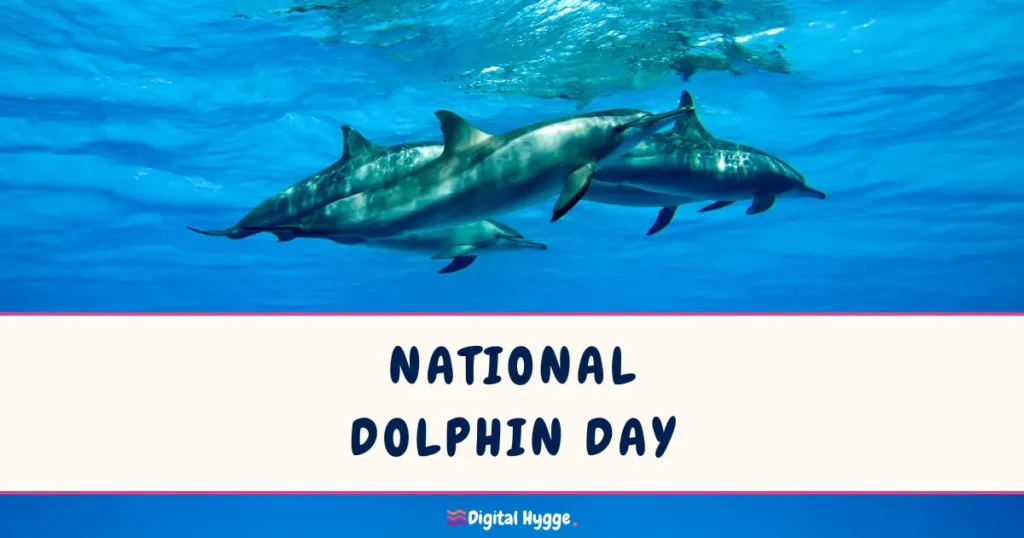

National Dolphin Day is observed every year on April 14. The day was created by the Earth Island Institute, an environmental non-profit organization based in Berkeley, California, and was first observed in 1990 as part of a broader campaign against the devastating impact of tuna fishing on dolphin populations.
In the eastern Pacific Ocean, yellowfin tuna and dolphins tend to swim together, which led to dolphins being killed in vast numbers as fishing vessels targeted the tuna below. The observance helped fuel the push for what became one of the most recognizable environmental labels in the world. The Dolphin Safe tuna program has since cut Eastern Tropical Pacific dolphin deaths by over 99%, with Earth Island Institute reporting that 95% of global tuna boats now follow these standards.
Why National Dolphin Day Matters
While conservation is at its core, the day’s purpose has broadened considerably over the decades. National Dolphin Day now serves as a platform for public education about the threats dolphins face and the vital role they play in ocean ecosystems. Those threats include:
- Bycatch, where dolphins are accidentally caught in nets intended for other species
- Pollution from plastic waste and chemical contaminants
- Climate change, which disrupts ocean temperatures and the food chains dolphins depend on
The day also highlights how ecologically significant dolphins are as apex predators that help balance the marine environment and give marine biologists a valuable window into the health of the ocean.
The observance has grown from a niche awareness campaign into a global effort. It saw a notable surge in 2015, when it generated over 6,000 online mentions in a single day, and events now take place in 46 countries. The day is also listed under the American Veterinary Medical Association’s Pet Health Awareness Events.
Fun Facts About Dolphins
Dolphins have been studied extensively, and the details are genuinely impressive. Or what do you think about the following fun dolphin facts:
- Dolphins have names for one another, using unique signature whistles
- Some species can swim at speeds of over 20 miles per hour
- Dolphins use echolocation to “see” their surroundings with sound
- They sleep with one half of the brain at a time to keep breathing
- Dolphins can recognize themselves in mirrors, a rare cognitive ability
- Wild dolphins can live 40 to 60 years, depending on species
Ways to Observe National Dolphin Day
- Learn about dolphin species native to your region
- Support marine conservation organizations and research
- Choose sustainable seafood to reduce harm to marine life
- Watch documentaries that focus on dolphins in the wild
- Share facts about dolphins on social media using #NationalDolphinDay
National Grits Day
Creamy, buttery, and deeply Southern — a comfort food worth celebrating.
National Gardening Day
Get your hands dirty and grow something beautiful this spring.
National Pecan Day
America’s native nut — in a pie, on a salad, or straight from the bag.
National Donate a Book Day
Pass on a book you loved and give someone else the same joy.